Master Your Stock with an Inventory Days on Hand Calculator
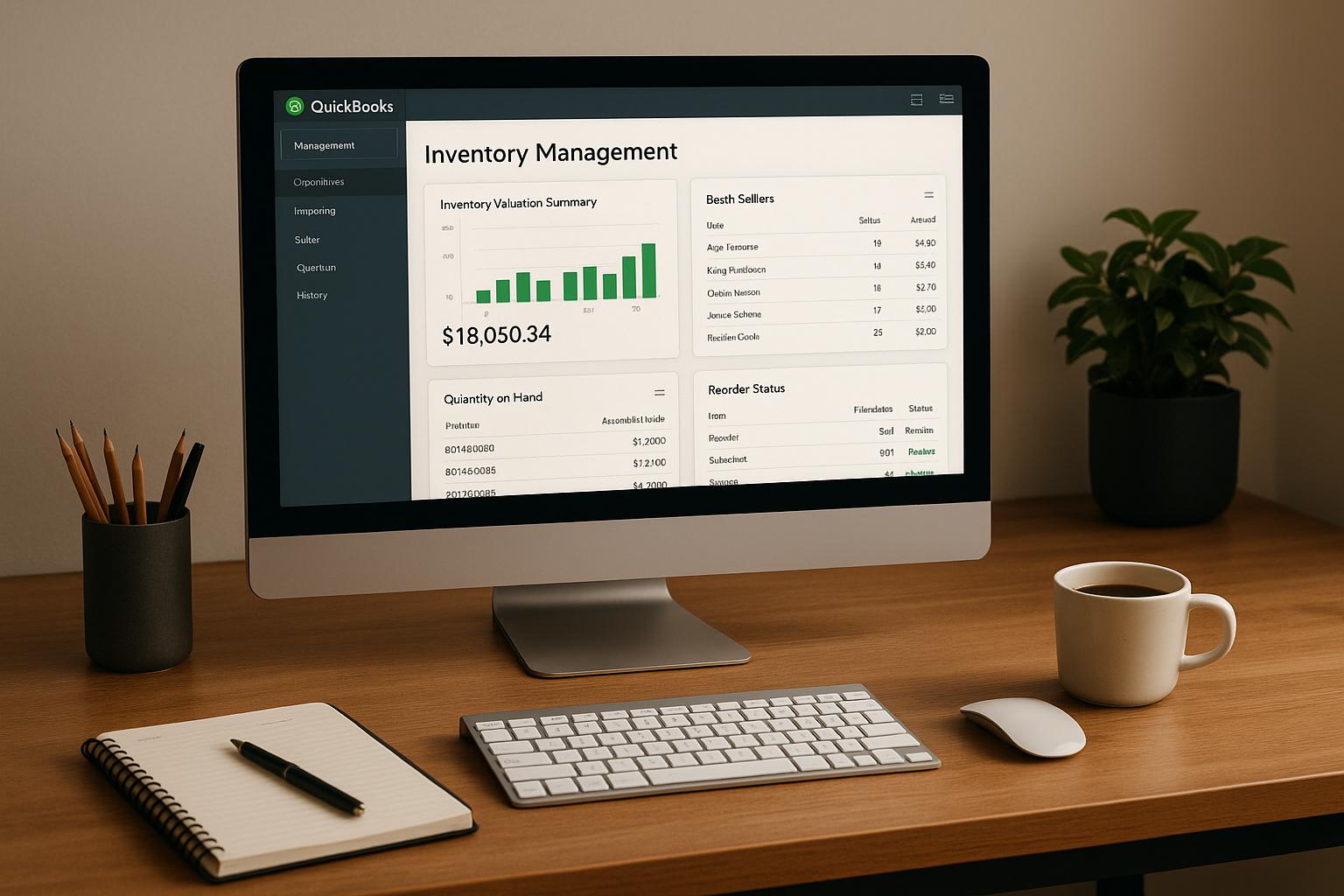
Managing inventory can feel like a juggling act. Too much stock, and you’re wasting money on storage. Too little, and you’re scrambling to fill orders. That’s where a tool to measure your stock duration comes in handy. It’s a simple way to gauge how long your current supply will last based on your sales pace, giving you clarity to make smarter decisions.
Why Tracking Stock Duration Matters
Understanding how many days your inventory will hold up is crucial for cash flow and customer satisfaction. This metric, often called days of supply, helps you plan reorders with precision. For small businesses, especially in retail or e-commerce, it’s a lifeline to avoid costly mistakes. Whether you’re managing a warehouse or a small shop, knowing when to restock can save you time and stress.
Take Control of Your Inventory
Don’t leave your stock levels to chance. A quick calculation can reveal if you’re overstocked or at risk of running dry. Pair this insight with regular sales tracking, and you’ve got a recipe for smoother operations. Try our free tool today and see the difference it makes in planning your next move.
FAQs
What does 'days on hand' mean for my business?
Days on hand tells you how many days your current inventory will last if sales continue at the same pace. It’s a key metric for managing stock levels. If the number is too high, you might be tying up cash in unsold goods. If it’s too low, you risk running out and losing sales. This tool helps you spot those trends early and adjust your ordering strategy.
How accurate is this inventory calculator?
The accuracy depends on the data you provide. If your average daily sales figure is based on recent, reliable data, the result will be a solid estimate of your stock duration. Keep in mind that sudden changes in demand—like seasonal spikes or promotions—can affect the real-world outcome. Use this as a starting point and monitor trends over time for the best results.
What’s a good number of days on hand to aim for?
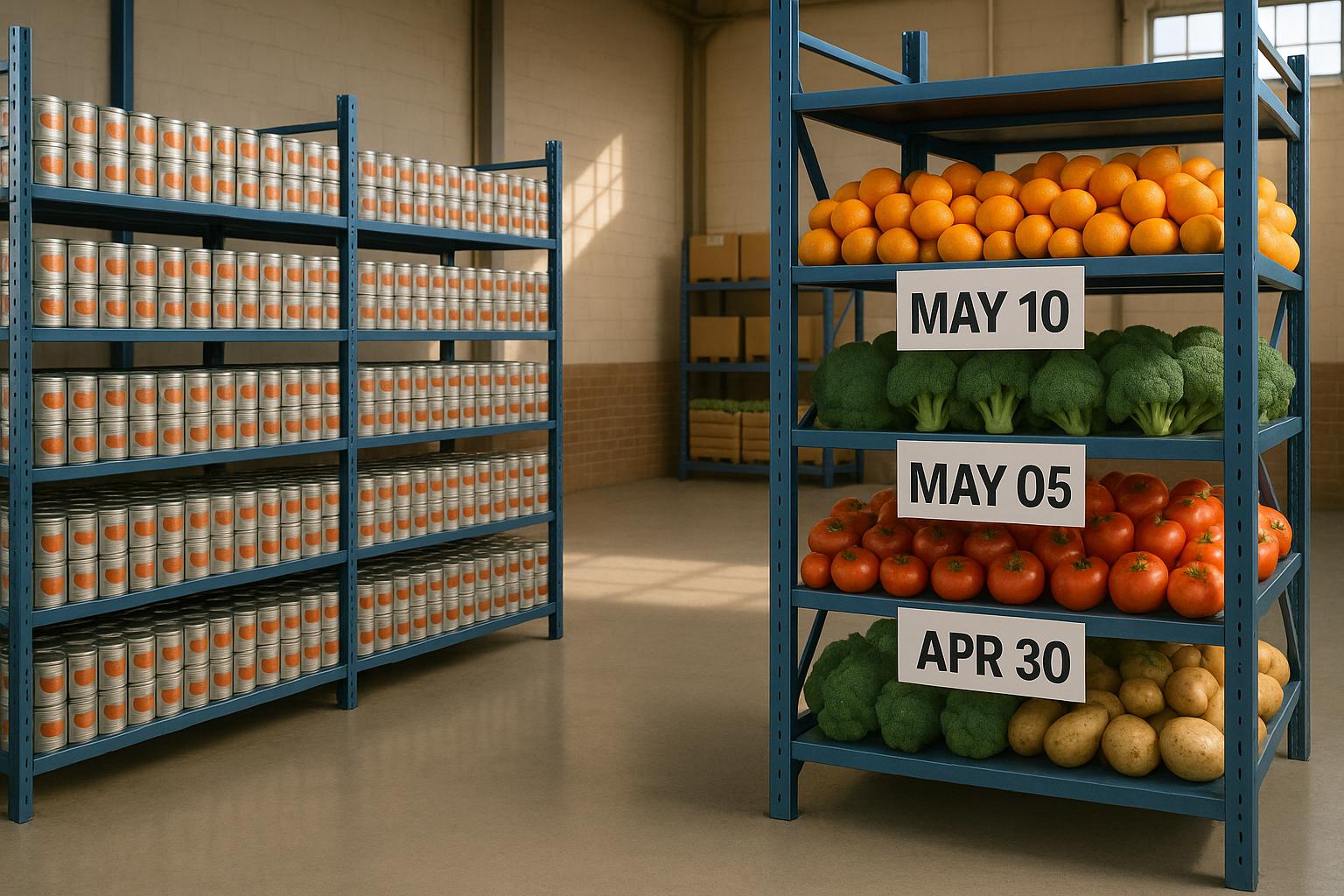
There’s no one-size-fits-all answer—it depends on your industry and business model. For fast-moving goods like groceries, 7-14 days might be ideal to keep things fresh. For slower-moving items, like furniture, 30-60 days could work better. The key is balancing enough stock to meet demand without over-investing in inventory that sits around. Use this tool regularly to find your sweet spot.