Managing inventory effectively is crucial for reducing waste, improving cash flow, and meeting industry regulations. Two popular methods, FIFO (First In, First Out) and FEFO (First Expired, First Out), offer distinct approaches to inventory rotation. Here's the key difference:
- FIFO: Moves the oldest stock first, based on arrival date. Ideal for non-perishable goods like clothing, electronics, or hardware.
- FEFO: Prioritizes items closest to their expiration date. Essential for perishable products like food, pharmaceuticals, or cosmetics.
Quick Overview
- Use FIFO: If your inventory includes non-perishable or seasonal goods where freshness isn’t a concern.
- Use FEFO: If you handle time-sensitive items where expiration impacts safety or quality.
Choosing the right method depends on your product type, operational needs, and compliance requirements. Below, we dive into how each method works, their pros and cons, and how to decide which one fits your business.
FIFO vs FEFO: What’s the Difference (For Supplements)?
What Is FIFO (First In, First Out)?
FIFO, or First In, First Out, is an inventory management method where the oldest stock - items received first - is used or sold first. Think of how grocery stores place new milk cartons behind older ones to ensure the older stock is sold before it expires. This approach helps avoid unsold items becoming outdated or obsolete. Recognized under GAAP (Generally Accepted Accounting Principles), FIFO simplifies inventory flow while ensuring accurate financial records, making it a practical and reliable system for many businesses.
How FIFO Works
At its core, FIFO is all about managing inventory systematically. When new stock arrives, it is placed behind or below the older stock. Then, when items are needed for sales or orders, the oldest inventory is taken first.
For instance, imagine a retailer receives winter jackets in September and another shipment in November. Under FIFO, the jackets from September are sold first, preventing them from sitting around while newer stock moves.
This system works best when your storage or warehouse is organized to support it. Many businesses enforce FIFO by physically placing newer items at the back or bottom of a stack, while older items are positioned at the front or top for easy access. Others rely on tools like date stamps or inventory management software to track stock, especially when handling large quantities or multiple storage locations.
Consistency is key. Everyone handling inventory must follow the same rule: always pick the oldest items first. Without this discipline, newer stock might get used or sold before older items, defeating the purpose of FIFO.
Benefits of FIFO
FIFO comes with several advantages:
- Reduces waste: By ensuring older items are used or sold first, FIFO minimizes the risk of products becoming outdated or unsellable.
- Simplifies financial reporting: It aligns with GAAP standards, making it easier to match older, often lower-cost inventory with current sales.
- Boosts profits during inflation: When prices rise, FIFO reflects lower costs of goods sold, which can result in higher reported profits and a healthier balance sheet.
- Easy to adopt: The "oldest first" concept is straightforward and aligns with how many businesses and workers already operate.
- Improves customer satisfaction: Customers are less likely to receive outdated products when FIFO is in place.
Drawbacks of FIFO
Despite its strengths, FIFO isn’t always the perfect fit:
- Doesn’t account for expiration dates: FIFO prioritizes the order of arrival, not the expiration date. For example, if two yogurt batches arrive - one expiring in 10 days and the other in 20 - FIFO will use the older batch first, even if it spoils sooner. This can lead to unnecessary waste or safety concerns.
- Inflation challenges: While FIFO can boost profits during inflation, it also means paying higher taxes on those profits. At the same time, replacing sold inventory may cost more than what you originally paid, potentially straining cash flow.
- Assumes uniform quality: FIFO treats all items in a category as identical. But what if one batch is of better quality or has been stored under better conditions? FIFO doesn’t account for such differences, which could lead to shipping older, lower-quality items first.
When to Use FIFO
FIFO works best for businesses dealing with non-perishable goods or those where product freshness is less of a concern. Here are a few examples:
- Retailers of seasonal items: Clothing, shoes, and accessories retailers benefit from FIFO because older styles lose value as trends change. Selling last season’s inventory first helps clear stock before it becomes unsellable.
- Electronics businesses: Technology evolves rapidly, and older models can quickly lose appeal. FIFO ensures older products, like laptops with slightly outdated specs, are sold before newer versions hit the shelves.
- Manufacturers using stable materials: Businesses working with materials like metals, plastics, or textiles often use FIFO to prevent older stock from becoming outdated as suppliers introduce improved versions.
- Companies prioritizing financial clarity: If you’re preparing for an audit, a loan application, or a potential business sale, FIFO’s straightforward accounting and broad acceptance make financial records easier to present and explain.
- Steady sales environments: Businesses with predictable sales cycles benefit from FIFO as it provides structure without adding unnecessary complexity.
FIFO is a natural fit for many organizations, especially those aiming to maintain organized inventory, reduce waste, and keep financial reporting straightforward.
What Is FEFO (First Expired, First Out)?
FEFO, or First Expired, First Out, is a method of inventory management that prioritizes products based on their expiration dates instead of their arrival dates. This approach ensures that items nearing their expiration are used or sold first, regardless of when they entered your inventory. Unlike FIFO (First In, First Out), which organizes products by arrival order, FEFO is all about managing shelf life to maintain safety and compliance.
How FEFO Works
To implement FEFO, you need to track the expiration date of every item in your inventory. When fulfilling orders or using materials, the products with the closest expiration dates are selected first.
For example, imagine a pharmacy receiving two shipments of the same medication. The first shipment arrives on October 15, 2025, with an expiration date of February 28, 2026. The second shipment arrives later, on November 1, 2025, but expires sooner, on January 31, 2026. Using FEFO, the pharmacy would prioritize the second shipment because of its earlier expiration date.
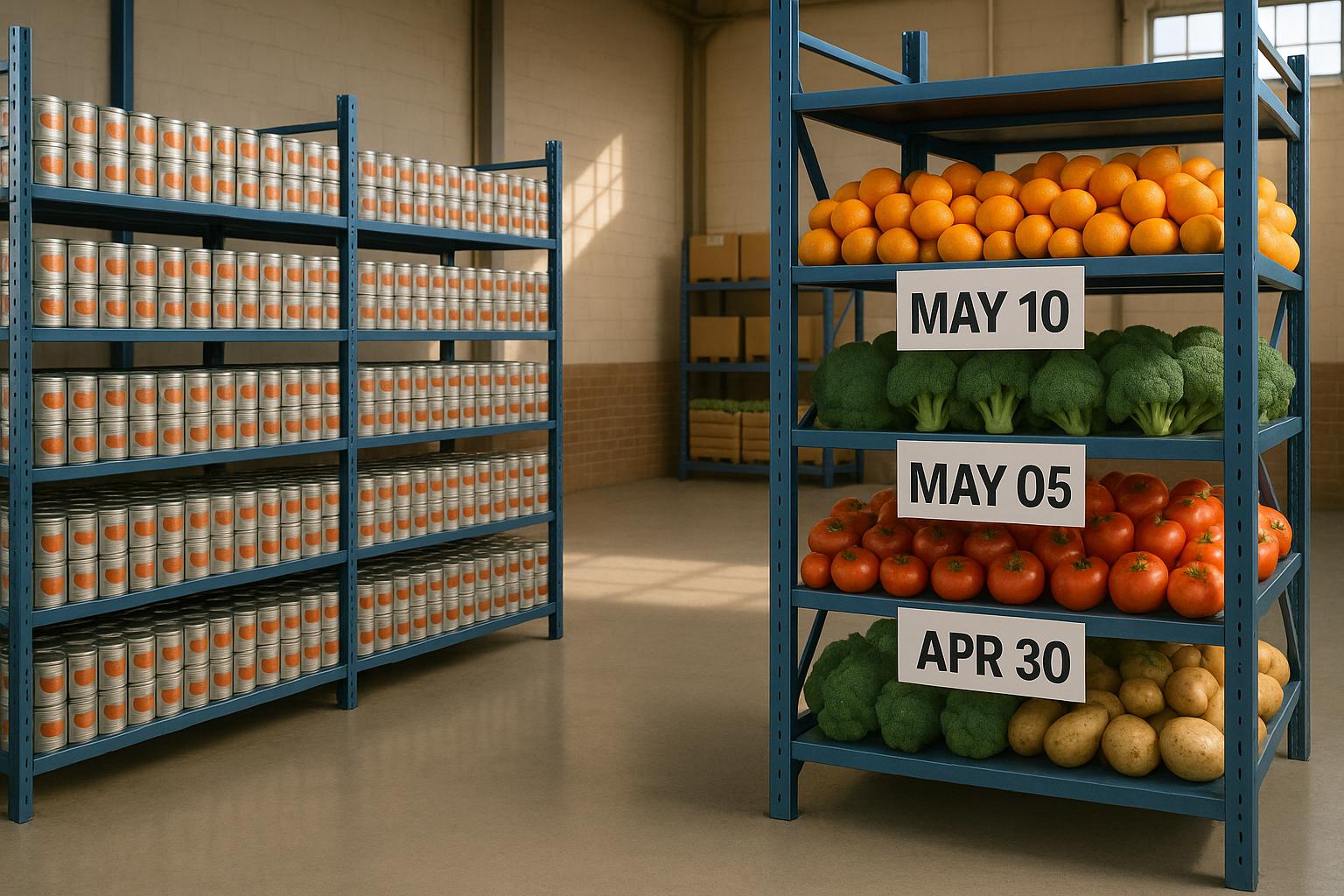
Putting FEFO into action often requires reorganizing your warehouse to ensure items nearing expiration are easy to access. This isn't as simple as stacking older products in front - workers must check expiration dates on every item before picking. Many businesses rely on inventory software with barcode scanning to streamline this process, flagging which products should be used or shipped next. Without such technology, managing FEFO can become overwhelming, especially for operations handling hundreds or thousands of SKUs.
Strict adherence to expiration dates is crucial. This means training your team, using clear labeling, and possibly investing in technology to avoid errors. Following these steps sets FEFO apart from FIFO and highlights its unique challenges and benefits.
Benefits of FEFO
FEFO offers several advantages, particularly for businesses where freshness isn't optional:
- Reduces waste and spoilage: By prioritizing items nearing expiration, FEFO helps minimize expired inventory, saving money and improving inventory efficiency.
- Supports safety and compliance: FEFO aligns with FDA regulations and other safety standards, reducing risks to consumers and protecting your business from liability.
- Builds customer loyalty: Customers appreciate receiving products with ample shelf life, whether it's milk, medications, or makeup. A positive experience encourages repeat business.
- Protects profit margins: Expired products can't be sold. FEFO minimizes financial losses by ensuring inventory gets used or sold before it becomes unsellable.
Drawbacks of FEFO
While FEFO is essential for certain industries, it does come with its challenges:
- Complex tracking needs: Keeping tabs on expiration dates for every item requires detailed records and constant monitoring. Manual methods are nearly impossible for large inventories.
- Higher operational costs: Implementing FEFO often involves investing in software, barcode scanners, and staff training. It also takes more time to check expiration dates during order picking, which can slow down operations.
- Storage challenges: Unlike FIFO, where newer items simply go to the back, FEFO demands frequent reorganization. Products with shorter shelf lives might need to be moved to the front, even if they arrived later, complicating warehouse logistics.
- Learning curve for staff: Workers familiar with FIFO or other systems may struggle to adjust to FEFO. Mistakes can happen if they rely on location rather than checking expiration dates.
- Not practical for all products: For non-perishable goods, the extra effort and costs of FEFO aren't justified, making it unnecessary for certain industries.
When to Use FEFO
FEFO is ideal when product expiration directly impacts safety, quality, or regulatory compliance. Here are some industries where it’s a must:
- Food and beverage: Grocery stores, restaurants, and manufacturers handling perishable items like dairy, meat, or produce rely on FEFO to maintain quality and avoid spoilage. For instance, a bakery would prioritize flour with a closer expiration date, even if it arrived after other batches.
- Pharmaceuticals: Medications with strict expiration dates depend on FEFO to ensure safety and efficacy. Pharmacies and hospitals must dispense drugs like antibiotics or insulin within their safe-use windows to avoid health risks.
- Cosmetics and personal care: Products like lotions and makeup degrade over time. FEFO ensures customers receive safe and effective items, protecting both health and brand reputation.
- Chemicals and lab supplies: Many chemicals and reagents lose effectiveness after their expiration dates. FEFO helps maintain safety and accuracy in labs and research facilities.
- Medical devices and supplies: Sterile products and diagnostic tests often have expiration dates. FEFO ensures healthcare providers maintain compliance and patient safety.
- Pet food: Just like human food, pet food has expiration dates that affect safety and nutrition. Retailers use FEFO to deliver fresh, high-quality products for pets.
For industries where expiration dates affect safety, quality, or compliance, FEFO isn't just helpful - it’s essential. If freshness and shelf life are critical to your business, FEFO is the go-to method for managing inventory effectively.
FIFO vs FEFO: Side-by-Side Comparison
After exploring FIFO and FEFO in detail, let’s break down their main differences to help you determine which approach works best for your business operations.
FIFO operates on a simple principle: sell items in the order they arrive. This makes it a great fit for non-perishable goods or items with a stable shelf life. On the other hand, FEFO focuses on moving products that are closest to their expiration date, making it essential for managing perishable or time-sensitive items.
Comparison Table: Key Differences
Here’s a quick rundown of how these two methods differ:
| Factor | FIFO (First In, First Out) | FEFO (First Expired, First Out) |
|---|---|---|
| Primary Focus | Processes items by arrival order | Manages items based on expiration dates |
| Ideal For | Non-perishable and seasonal products | Perishable or time-sensitive products |
Both methods have their strengths, and choosing the right one depends on the nature of your inventory.
For example, FIFO is perfect for items with predictable shelf lives, such as canned goods or seasonal stock. Meanwhile, FEFO is a must if you’re dealing with products like fresh produce or pharmaceuticals, where expiration dates are non-negotiable.
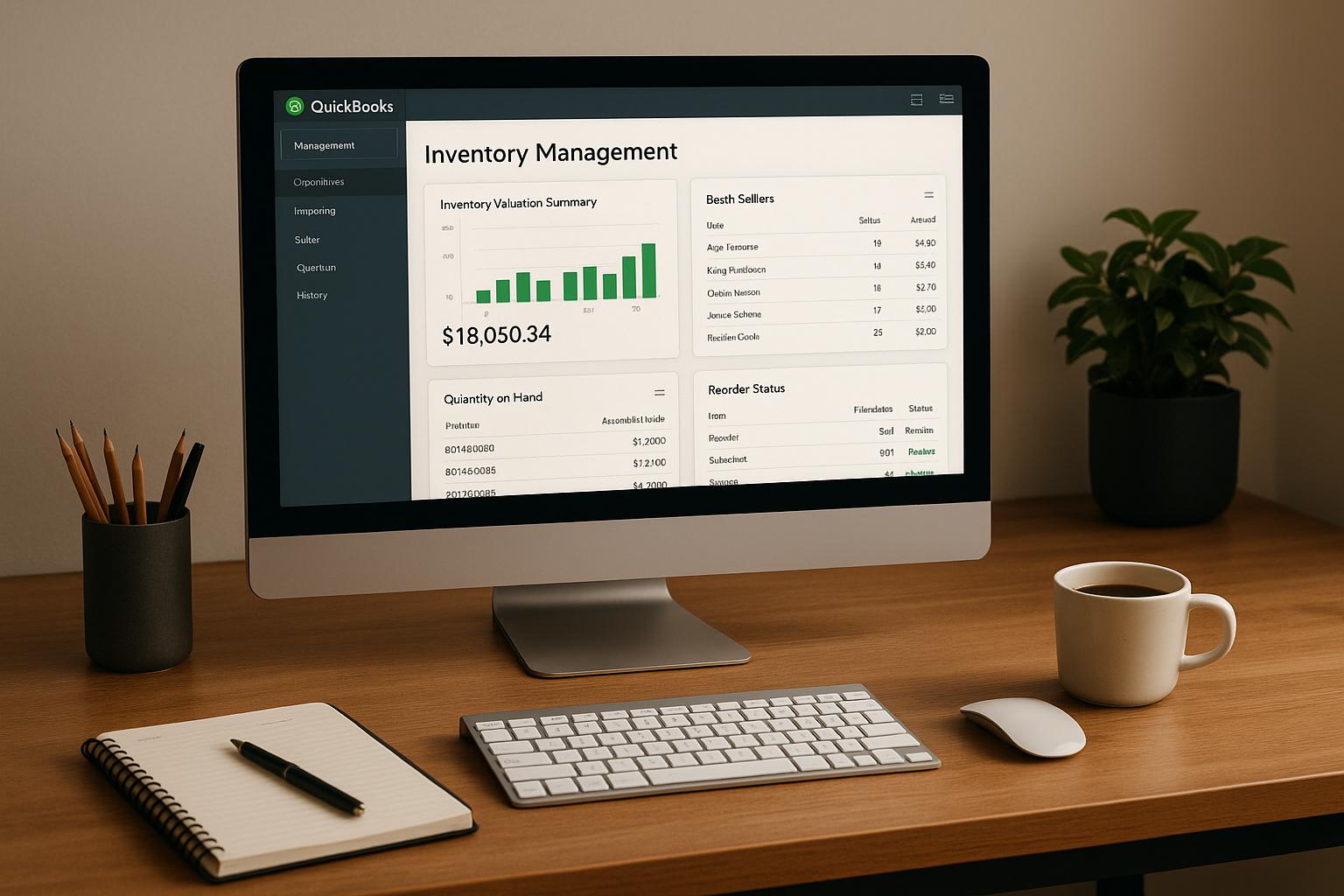
If you’re using Rapid Inventory with QuickBooks Desktop, you’ll be glad to know it supports both FIFO and FEFO. This flexibility allows you to align your inventory management strategy with your specific product needs and operational goals.
sbb-itb-19ed50f
How to Choose Between FIFO and FEFO
Choosing the right inventory method isn't just about logistics - it's about aligning your approach with your products and operations. The wrong choice can lead to unnecessary waste, compliance headaches, or processes that bog down your team.
Factors to Consider
Start by examining the nature of your products. If you're managing items with expiration dates - like pharmaceuticals, fresh produce, dairy, or cosmetics - FEFO (First Expired, First Out) is essential. These products demand strict expiration tracking to ensure safety, meet regulations, and protect customer trust.
For businesses handling perishable goods, the numbers speak volumes. Companies relying on FIFO (First In, First Out) or skipping batch tracking often face inventory write-offs of 10–18%. With FEFO and expiration forecasting, these losses can drop to under 3%. Similarly, return rates due to "short shelf life" can hit 8% with FIFO but fall to about 1.5% with FEFO. Managing expiration dates effectively not only reduces waste but also ensures customers receive products with sufficient shelf life, which boosts satisfaction.
Regulations also come into play. Industries like food service, healthcare, and pharmaceuticals often require specific tracking and rotation practices. Without proper batch tracking, product recalls can drag on for days and cost anywhere from $50,000 to over $500,000. With FEFO and batch tracking, recalls can be completed in as little as five minutes.
On the other hand, FIFO offers a simpler solution for non-perishable goods like hardware, electronics, or seasonal items. These products don’t require expiration tracking, so rotating inventory by arrival order keeps things straightforward.
Matching Methods to Business Types
The best inventory method often depends on your business type and the products you handle.
FEFO is ideal for:
- Food manufacturers and distributors focused on quality control
- Cosmetics retailers managing expiration-sensitive products like skincare and makeup
- Restaurants and food service businesses aiming to reduce waste and serve fresh items
FIFO works well for:
- Retailers selling clothing, electronics, or home goods
- Hardware stores managing tools and building supplies
- Warehouses handling non-perishable goods
- Seasonal businesses clearing old inventory before introducing new collections
Some businesses may even combine both methods. For instance, a grocery chain might use FEFO for fresh produce and FIFO for canned goods. The key is knowing which products require expiration tracking and which don’t.
Technology Requirements for Implementation
Implementing FEFO is more demanding than FIFO, especially without automation. Manual FEFO processes can be time-consuming and prone to errors, particularly in large-scale operations. Advanced tracking systems are critical for monitoring expiration dates and managing batch-level data, but these systems come with added costs. However, the savings from reduced waste and better compliance often justify the investment.
Automation simplifies these tasks and integrates with existing systems, reducing errors and improving efficiency. For FEFO, you'll need tools that can track expiration dates automatically and alert your team when products near their sell-by dates.
Rapid Inventory, for example, supports both FIFO and FEFO strategies. Its features include lot and serial number tracking, mobile barcode scanning, and real-time inventory reports. With two-way syncing to QuickBooks Desktop, it ensures your financial records align with physical inventory movements.
For businesses handling perishable goods or requiring strict expiration tracking, investing in systems that support FEFO is vital for reducing waste and staying compliant. Adding barcoding or RFID tracking can streamline batch monitoring, expiration management, and stock control - key elements for efficient inventory operations. Whether you choose FIFO or FEFO, automation and proper training are critical to ensure smooth implementation and long-term success.
Using Technology to Implement FIFO and FEFO
Manually tracking inventory can quickly become overwhelming as your business grows. That’s where technology steps in, turning what could be a logistical nightmare into an automated, efficient system that practically runs itself.
How Inventory Software Makes a Difference
Modern inventory software takes the guesswork out of stock management. It automates processes like stock rotation, real-time tracking, and syncing with accounting systems. For example, Rapid Inventory works with QuickBooks Desktop to create a seamless two-way sync. This means inventory transactions update automatically in both your physical records and financial data, eliminating duplicate entries and ensuring accuracy with minimal effort.
Mobile barcode scanning is another game-changer. Warehouse teams can use smartphones or tablets to scan items as they arrive, during picking, or while conducting cycle counts. This process is faster and far more accurate than manually typing in product codes or searching through lists. A quick scan captures critical details like the item’s batch number and, for FEFO users, its expiration date.
Real-time tracking gives you instant insights into your inventory - what’s in stock, where it’s located, and when it needs to move. For FIFO users, the software automatically identifies and prioritizes the oldest inventory for picking. For FEFO users, it flags products nearing their expiration dates, ensuring they’re shipped before newer batches with longer shelf lives.
Additionally, the platform supports features like lot and serial number tracking and multi-location management, which are crucial for quality control, regulatory compliance, and recall management. And because it integrates with QuickBooks Desktop, your operational data also drives financial accuracy.
Key Tracking Requirements for FIFO and FEFO
While software simplifies inventory management, success depends on tracking the right data for each method.
For FIFO, the focus is on recording the arrival or entry date of each item or batch. Your software must log the exact date and time stock enters your warehouse. From there, it prioritizes the oldest items for picking and dispatch, ensuring they’re used in chronological order. This method works particularly well for non-perishable goods where age, rather than expiration, is the key factor.
For FEFO, the expiration date is the critical data point. Your software needs to track these dates at the batch or lot level. It then prioritizes picking based on the earliest expiration date, regardless of when the product arrived. The system should also issue alerts for inventory nearing its expiration date and support quarantine management for expired items.
Both methods benefit greatly from real-time inventory visibility, which keeps you updated on stock levels, movements, and status. Tools like barcode scanning or RFID technology are essential for accurate data entry, minimizing the risk of manual errors. For FEFO users, batch and lot management ensures you can associate specific data - like expiration dates - with distinct product groups.
A detailed audit trail is another must-have. It records every inventory movement, supporting compliance, traceability, and historical tracking. This is especially important in industries like food service, pharmaceuticals, and cosmetics, where precision and accountability are non-negotiable.
Rapid Inventory addresses these needs with its robust lot and serial number tracking, capturing batch-level data throughout the supply chain. Whether you’re receiving shipments, fulfilling orders, or conducting cycle counts, the system logs all relevant information and applies it to your chosen rotation method. FIFO users benefit from automatic prioritization by arrival date, while FEFO users enjoy expiration-based picking that ensures freshness and compliance.
With real-time inventory reports, you gain a clear view of what’s moving, what’s stuck, and what needs immediate attention. These reports let you analyze inventory age, expiration timelines, and stock levels across all locations, empowering you to make proactive decisions and avoid potential issues.
Conclusion
Deciding between FIFO and FEFO comes down to aligning the method with your specific business needs. FIFO works well for non-perishables, ensuring items are used or sold in the order they arrive. On the other hand, FEFO is essential for managing perishables, focusing on shipping products with the earliest expiration dates. The key is to choose the approach that best fits your product type, industry regulations, and customer expectations.
As your inventory grows, managing it manually becomes less practical. That’s where technology steps in. Using specialized software simplifies the process, making stock rotation more efficient and reliable. For example, Rapid Inventory automates critical tasks like tracking lot and serial numbers, managing stock rotation, and offering real-time visibility across multiple warehouse locations. With features like mobile barcode scanning, customizable reports, and seamless two-way integration with QuickBooks Desktop, it boosts both accuracy and efficiency.
FAQs
What’s the best way to manage inventory when dealing with both perishable and non-perishable goods?
If your business deals with both perishable and non-perishable items, choosing the right inventory method for each is crucial. For perishable goods, FEFO (First Expired, First Out) is the way to go. This method ensures that products with the earliest expiration dates are used or sold first, minimizing waste and keeping items fresh for customers.
On the other hand, FIFO (First In, First Out) works well for non-perishable goods. It prioritizes selling or using the oldest stock first, helping you maintain an organized inventory while avoiding outdated items piling up.
Using these approaches strategically allows you to manage your inventory more effectively and cater to the specific requirements of each product type.
What technology do I need to successfully use the FEFO inventory method?
To make the most out of the FEFO (First Expired, First Out) inventory method, having the right technology in place is key. Here's what you'll need:
- Automated expiration date tracking: This ensures your stock is rotated correctly and nothing gets overlooked.
- Expiration alerts: Notifications for items nearing their expiration dates can help you act quickly and cut down on waste.
- Barcode scanning with expiration data: Scanning systems that include expiration details make it easier to track and manage inventory.
- A dependable Warehouse Management System (WMS): A good WMS keeps your inventory organized and simplifies decision-making.
These tools not only help you stay efficient but also reduce spoilage and improve inventory accuracy across the board.
How do FIFO and FEFO impact financial reporting and regulatory compliance?
Choosing between FIFO (First In, First Out) and FEFO (First Expired, First Out) can have a big impact on your business - both in terms of financial reporting and staying compliant with industry rules.
FIFO is all about valuing inventory and calculating the cost of goods sold based on the order in which items were added to inventory. This method can influence your reported profits and tax obligations. It's especially popular in industries like retail or manufacturing, where products don’t have a short shelf life.
FEFO, on the other hand, is a must for businesses dealing with perishable goods, like food or pharmaceuticals. By focusing on selling items with the earliest expiration dates, it helps you meet strict safety regulations, avoid expired inventory, and reduce waste.
The best choice for your business boils down to your industry, the type of products you handle, and your operational goals.