Understanding Inventory Valuation Made Simple
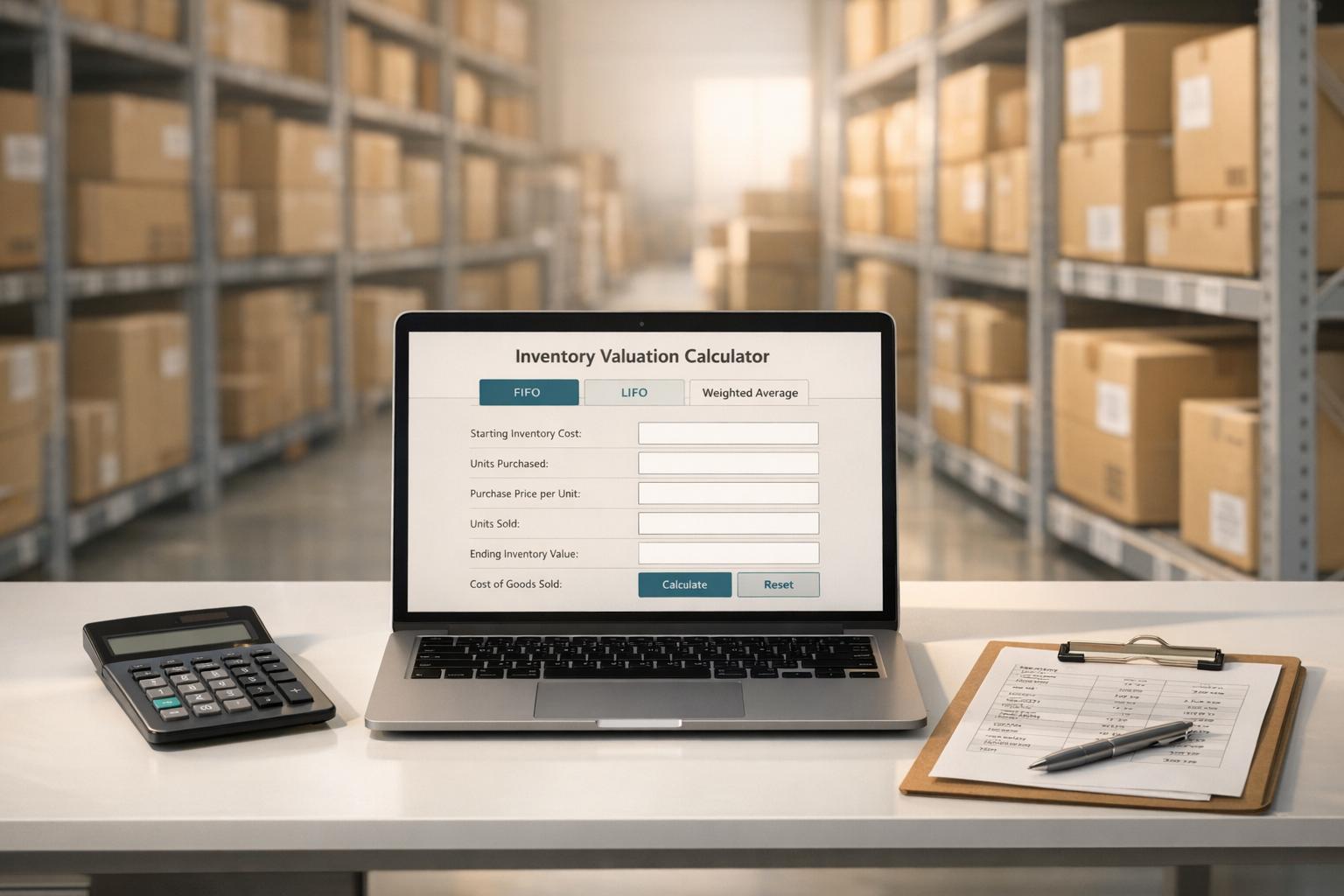
Running a business means keeping tabs on your stock, but figuring out its worth can feel like a puzzle. That’s where tools like an inventory valuation calculator come in, offering a straightforward way to assess your goods using methods like FIFO, LIFO, or Weighted Average. This isn’t just about numbers—it’s about making informed decisions for pricing, budgeting, and growth.
Why Valuation Matters
Your inventory’s value directly ties into your financial statements. Whether you’re a retailer with seasonal products or a manufacturer with raw materials, knowing the cost of what’s on hand helps you gauge profitability. Different approaches to calculating stock value can even affect your tax obligations, so choosing the right method is key. For instance, if costs are climbing, one strategy might save you money over another.
Picking the Right Method
Each business has unique needs. Some prefer older cost data for consistency, while others focus on recent prices to reflect current markets. A digital tool can crunch these numbers in seconds, letting you focus on what you do best—growing your business. With clear outputs and explanations, you’ll feel confident navigating this critical aspect of operations.
FAQs
What’s the difference between FIFO, LIFO, and Weighted Average?
Great question! FIFO, or First In, First Out, assumes the oldest inventory gets sold first, so it uses earlier costs for valuation—handy when prices are rising. LIFO, Last In, First Out, does the opposite, using the newest costs, which can lower taxable income in inflationary times. Weighted Average smooths things out by averaging the cost of all units, giving a middle-ground value. Each method fits different business needs, so pick what aligns with your accounting strategy.
Why should I care about inventory valuation?
Inventory valuation isn’t just number-crunching—it’s about knowing your business’s financial health. The value of your stock impacts your balance sheet, cost of goods sold, and even taxes. Getting it right helps with pricing decisions, managing cash flow, and staying compliant with accounting rules. Plus, it gives you a clearer picture when planning purchases or scaling up.
Is this tool suitable for small businesses?
Absolutely, it’s perfect for small businesses! Whether you’ve got a handful of products or a growing stockpile, this calculator simplifies the process. You don’t need to be an accounting whiz—just plug in your numbers, choose a method, and you’re set. It’s a quick way to handle valuation without pricey software or hours of manual work.