
Optimize Your Inventory with a Reorder Point Calculator
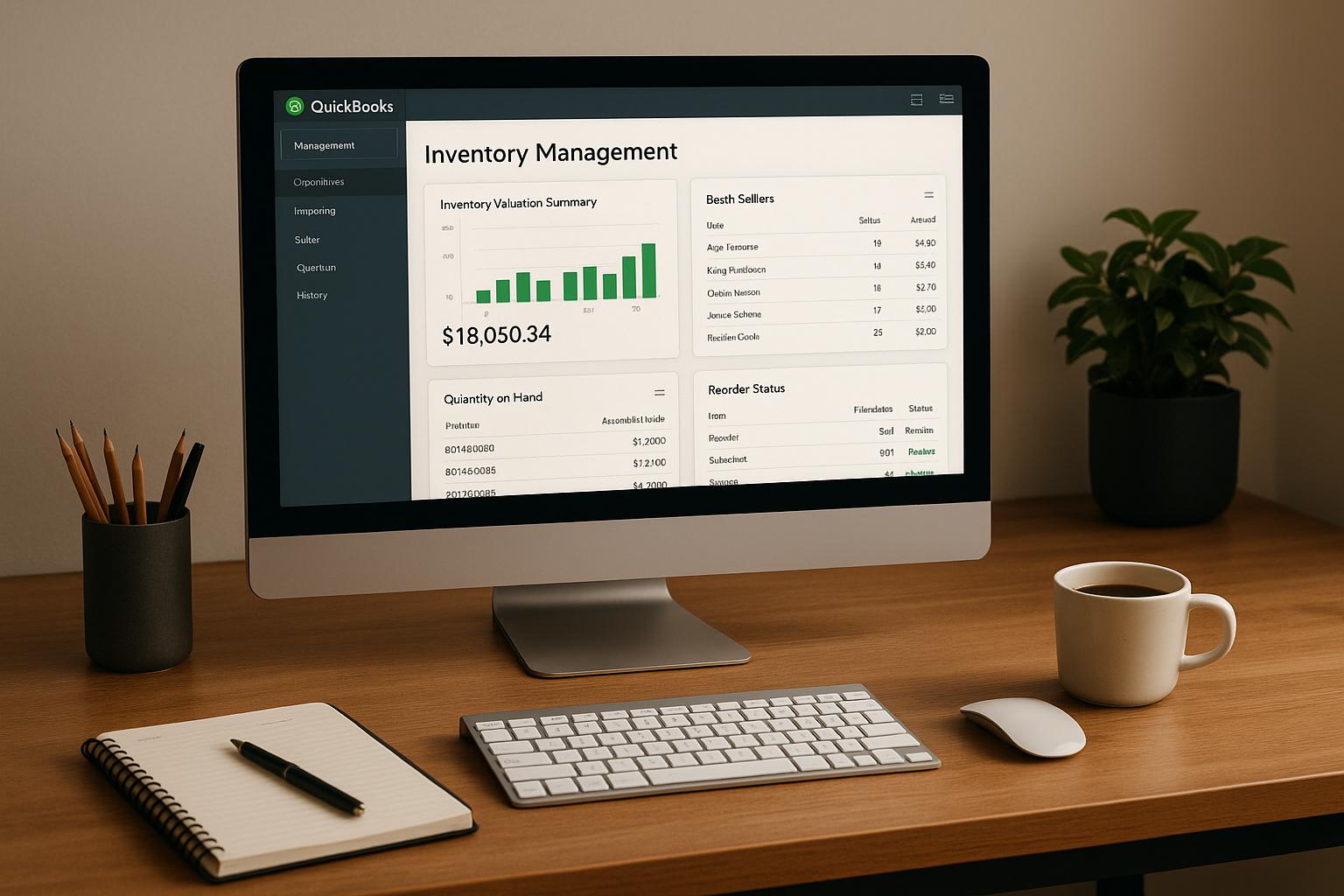
Managing inventory can feel like walking a tightrope—too much stock ties up cash, while too little risks empty shelves. That’s where a tool to calculate your reorder level comes in handy. It’s a game-changer for small businesses, e-commerce shops, or anyone juggling supply chains. By knowing the exact moment to restock, you save time, reduce stress, and keep customers happy.
Why Inventory Planning Matters
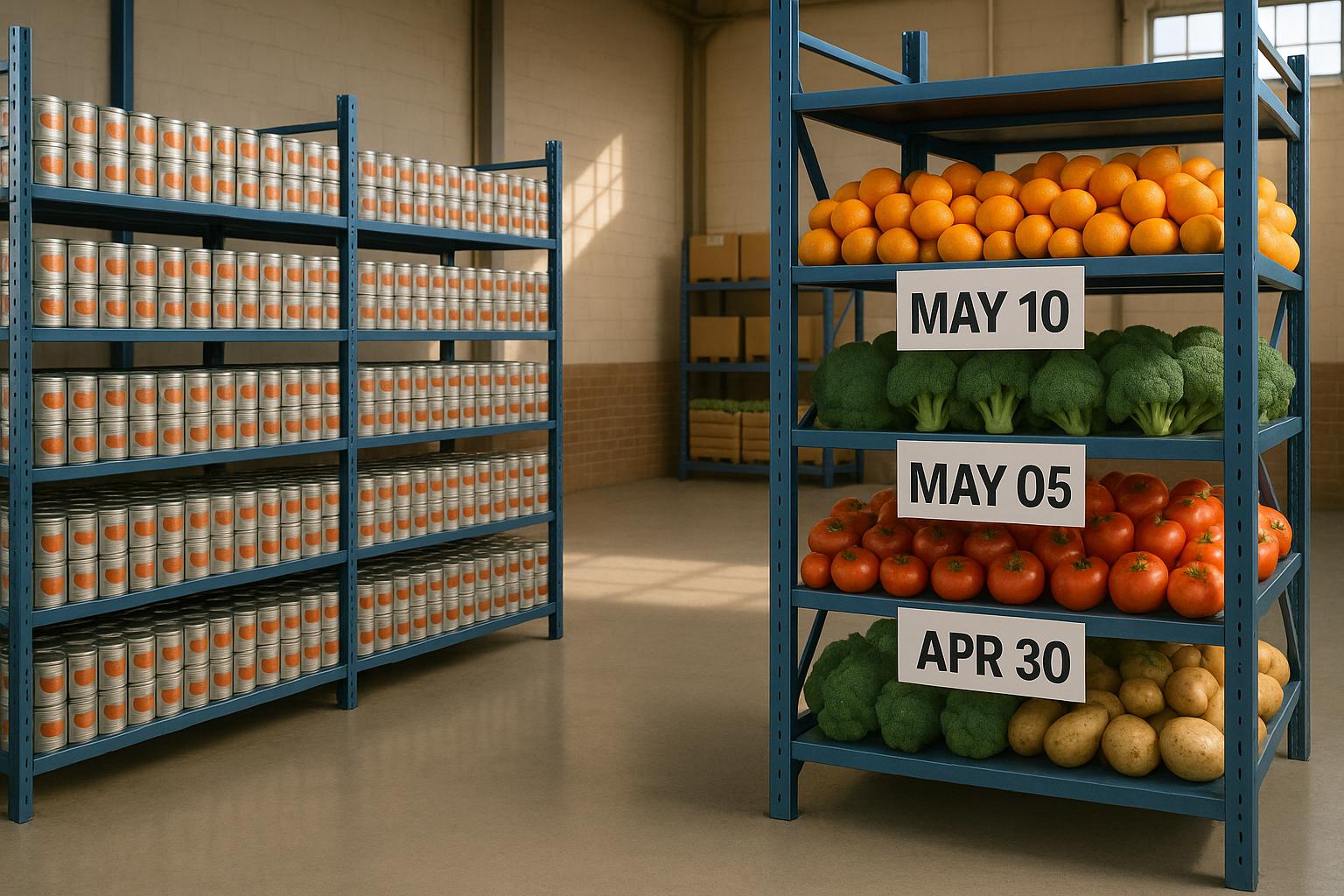
Poor stock management can hurt your bottom line. Imagine a customer ready to buy, only to find you’re out of product. Or worse, overstocking items that gather dust. Finding that sweet spot for reordering ensures you’ve got enough to meet demand without wasting resources. Pair this strategy with solid data on daily usage and lead times, and you’re setting yourself up for smoother operations.
A Simple Solution for Complex Needs
Whether you’re running a retail store or a warehouse, pinpointing when to reorder shouldn’t be guesswork. A quick calculation factoring in safety stock and delivery delays can make all the difference. Stay ahead of shortages and keep your business thriving with smart, data-driven decisions.
FAQs
What is a reorder point, and why does it matter?
A reorder point is the inventory level at which you should place a new order to avoid running out of stock. It’s crucial because it helps you maintain a steady supply, preventing lost sales or production delays. Think of it as a safety net—knowing this number keeps your business humming along without interruptions.
How do I figure out my safety stock?
Safety stock depends on your business’s unique needs. Look at past sales data to spot patterns in demand spikes or delays in delivery. A good rule of thumb is to keep enough extra inventory to cover unexpected bumps—maybe a week’s worth of average usage if your supply chain is unpredictable. Adjust as you learn more about your patterns.
Can this tool help with seasonal inventory changes?
Absolutely! Just update your Average Daily Usage to reflect seasonal trends when they happen. If you know demand jumps during holidays, plug in those higher numbers, and tweak your safety stock too. This tool adapts to whatever data you feed it, so you’re always prepared, no matter the time of year.