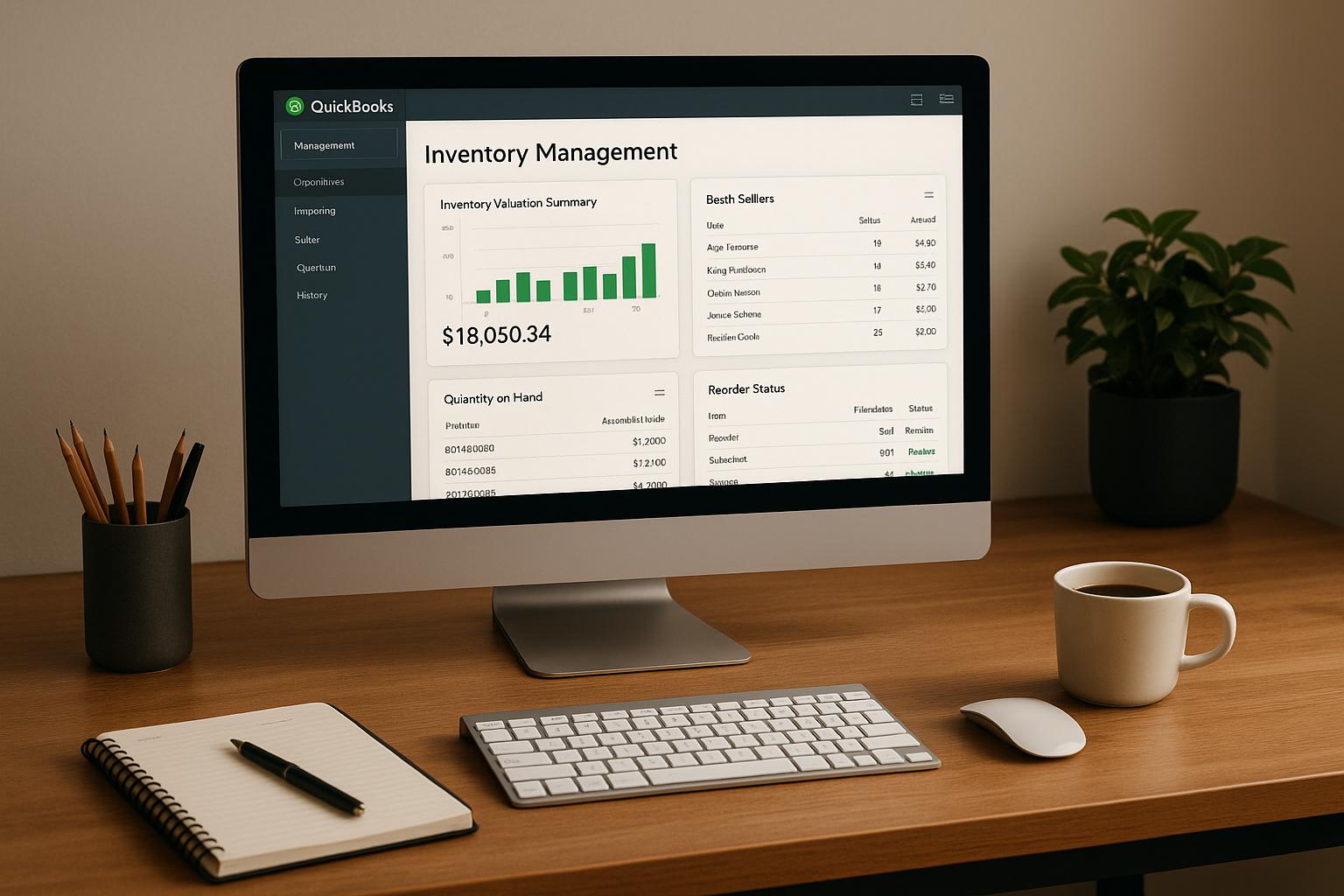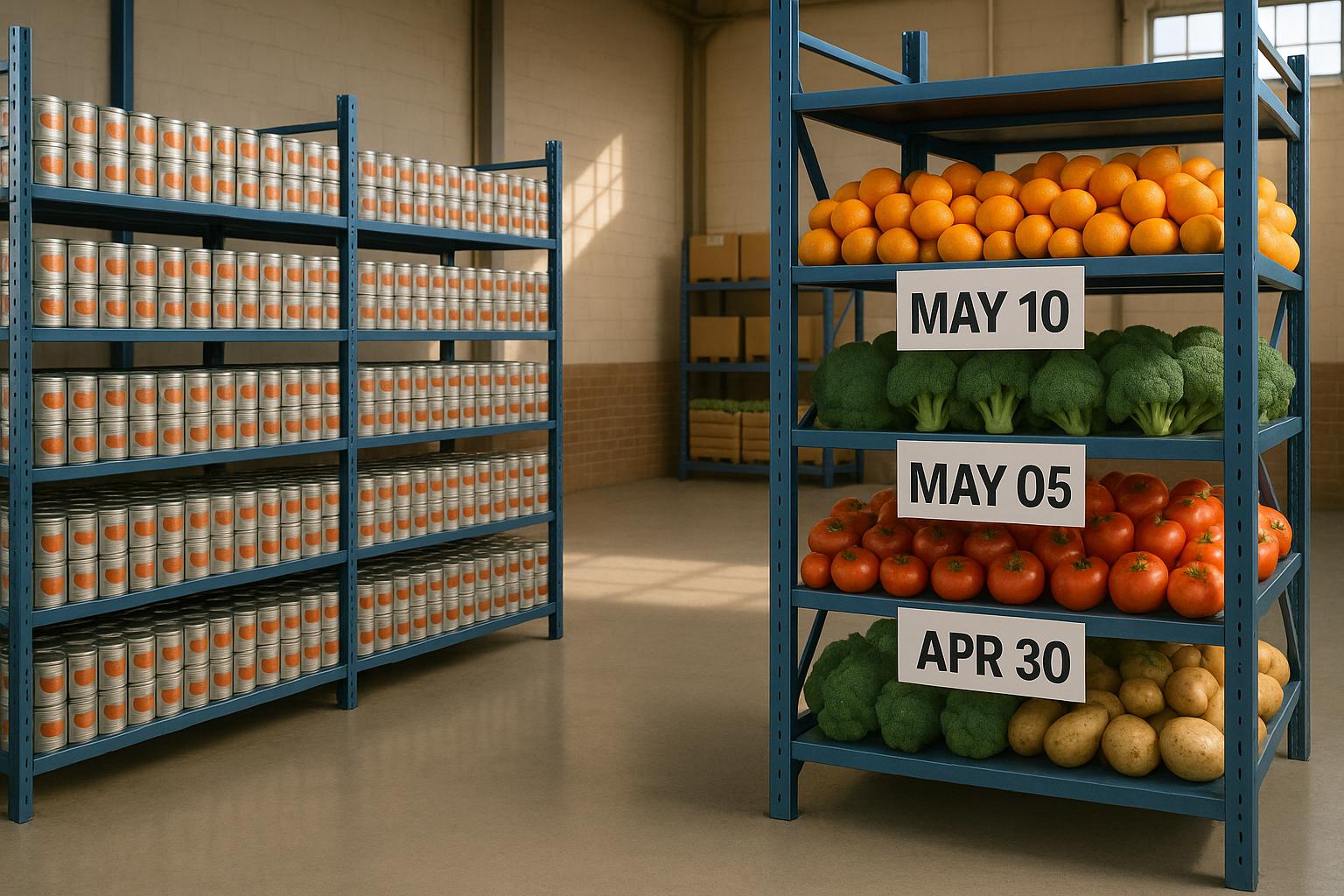

Backorders are a powerful way to secure sales when inventory runs out. By accepting orders for out-of-stock items, businesses can maintain revenue and fulfill customer needs once stock is replenished. QuickBooks Desktop simplifies backorder management with tools like Sales Orders, custom reports, and inventory tracking features. Here's what you need to know:
- What is a Backorder? Accept orders for unavailable items with a promise to fulfill them later. Example: ABC Corporation increased sales by 33% during a campaign by using backorders.
- Why Manage Backorders? Efficient management boosts sales, strengthens customer trust, and improves inventory control.
- QuickBooks Tools for Backorders: Use Sales Orders to track pending items, set reorder points for low stock alerts, and generate custom reports for detailed insights.
- Best Practices: Communicate delays clearly, charge customers only when items ship, and use tools like Rapid Inventory for advanced tracking.
QuickBooks Desktop and integrations like Rapid Inventory make it easier to track, fulfill, and record backorders while keeping financial data accurate. By following these strategies, you can turn inventory challenges into opportunities for growth.
QuickBooks - Back Orders 2017
If you need a more robust solution, you can try Rapid Inventory for free to streamline your QuickBooks inventory workflows.
sbb-itb-19ed50f
Setting Up Backorder Tracking in QuickBooks Desktop

QuickBooks Desktop Backorder Management Setup Process
You can manage backorders in QuickBooks Desktop by enabling inventory tracking, setting reorder points, and creating detailed backorder reports.
Turning On Inventory Tracking
Inventory tracking plays a key role in handling backorders with QuickBooks Desktop. It helps you keep tabs on your product quantities - what's in stock, on purchase orders, and on sales orders. This feature is available in QuickBooks Desktop Pro Plus, Premier Plus, and all Enterprise editions (Silver, Gold, Platinum, and Diamond).
To activate inventory tracking, follow these steps:
- Open the Edit menu and select Preferences.
- In the left pane, click Items & Inventory, then go to the Company Preferences tab.
- Check the box labeled Inventory and Purchase Orders are Active.
If you're using QuickBooks Desktop Enterprise, you can unlock advanced inventory tools like FIFO costing and enhanced sales order fulfillment. Just click Advanced Inventory Settings in the same preferences menu. If this option is grayed out, refresh your license by going to Help > Manage my License > Sync License Data Online. After making changes, restart QuickBooks to apply the updates.
With inventory tracking enabled, you’re ready to set reorder points and alerts to avoid stockouts.
Setting Reorder Points and Alerts
Once inventory tracking is active, you can set up reorder points to get notified when stock levels dip below a certain threshold. This helps you stay on top of inventory and avoid backorders. QuickBooks Desktop can also alert you during sales if requested quantities exceed what’s available.
Here’s how to configure these settings:
- Go to Edit > Preferences > Items & Inventory, then open the Company Preferences tab.
- Check Warn if not enough inventory to sell and select When the quantity I want to sell exceeds Quantity available.
- To prevent negative stock balances, check Don’t allow negative inventory quantities.
For reorder reminders, navigate to Edit > Preferences > Reminders, open the Company Preferences tab, and enable the Show List option for Inventory to Reorder. This will display reminders when items fall below their reorder points. To see which items need reordering, run the Inventory Stock Status by Vendor report under Reports > Inventory.
Creating Custom Backorder Reports
QuickBooks Desktop includes several reporting tools to track backorders, but a customized Transaction Detail report provides a more in-depth view. This report identifies open and closed backorders by focusing on items that haven’t been shipped or invoiced.
To create this report:
- Go to Reports > Custom Reports > Transaction Detail.
- On the Display tab, check the Backordered and QTY columns.
- On the Filters tab, set Posting Status to Non-posting and Transaction Type to Sales Order.
Save this report for future use by memorizing it. As QuickBooks Team member LieraMarie_A advises:
"I'd suggest memorizing this report so you can access it in the future. You can also export the report to Excel. This way, it can be saved, stored, and transferred digitally if needed".
Additionally, you can run the Open Purchase Order Detail report and filter it for items, descriptions, and Received status. To make backorder tracking even easier, enable the Backordered column in your Sales Order templates by going to Manage Templates > Additional Customization and checking the column for both "Screen" and "Print".
These tools and reports will help streamline your backorder tracking process in QuickBooks Desktop.
Managing Backorders in QuickBooks Desktop
With inventory tracking and custom reports set up, handling backorders in QuickBooks Desktop involves creating, updating, and recording orders efficiently throughout the process.
Creating Backorders from Sales Orders
In certain editions of QuickBooks Desktop, backorders are automatically generated when you create an invoice for a partial shipment. This feature is available in QuickBooks Desktop Premier (Wholesale & Manufacturing or Retail editions) and QuickBooks Desktop Enterprise. However, the standard Premier or Pro editions don't support automated backorder tracking.
Here’s how it works: Start by creating a Sales Order for the total quantity your customer wants. When you're ready to ship, click Create Invoice from the Sales Order and input only the quantity you have in stock. The remaining items are automatically marked as "Backordered" on the Sales Order. The Sales Order will then show three columns: "Ordered", "Invoiced", and "Backordered" quantities.
To display backorder details on your screen or printed documents, open the Sales Order, navigate to the Formatting tab, select Customize Data Layout, click on the Columns tab, and check the boxes for Backordered under both the Screen and Print columns.
Once backorders are created, the next step is updating them as inventory is replenished.
Tracking and Fulfilling Backorders
After setting up a backorder, the next task is to reorder the missing inventory from your supplier and fulfill the customer’s request once stock is available. Start by creating a Purchase Order for the required items. When your supplier delivers a partial shipment, use the Receive Inventory function to update the received quantity. QuickBooks will update the Purchase Order with "Backordered" and "Received" columns to track outstanding quantities.
To monitor backorders, run the Open Sales Orders by Item report. This report displays the Quantity, Backordered, and Invoiced figures, giving you a clear picture of pending customer orders and helping you prioritize which items to restock first.
When the backordered items arrive, go back to the original Sales Order and create another invoice for the remaining quantity. This completes the order and removes it from your backorder tracking. If a customer decides to cancel their backorder after part of their order has already shipped, close the Sales Order. In such cases, you may need to adjust inventory to ensure your item list reflects accurate quantities.
Recording Backorders in Your Accounts
Properly recording backorders ensures your financial records remain accurate. Sales Orders with backorders are considered "non-posting" transactions, meaning they won’t affect your General Ledger or balance sheet until you generate an invoice. This approach keeps your financial data clean and avoids prematurely recording revenue.
Charge customers only when items are ready to ship. QuickBooks suggests this method as it simplifies accounting, eliminates the need for refunds in case of cancellations, and is generally preferred by customers who don’t want to be charged until their order is on its way.
To review backorders that were never fulfilled because the Sales Order was closed rather than invoiced, run a Transaction Detail report. Filter it for Transaction Type: Sales Order and Posting Status: Non-posting, then add the Backordered column. This report helps you identify missed revenue opportunities and pinpoint products that often cause fulfillment challenges.
Best Practices for Backorder Management
Managing backorders effectively requires a mix of precise organization and maintaining strong customer trust. Clear communication about delays and billing practices can make the difference between retaining customers or losing them to competitors.
Keeping Customers Informed About Backorders
Transparency is key when it comes to backordered items. Always label these products clearly on your website, including expected restock dates. This gives customers the information they need to decide whether to wait or explore other options. Before sharing these dates, confirm them with your supplier to avoid further delays or miscommunication.
To streamline this process, update your product pages and invoices to highlight backorder status. For example, in QuickBooks Desktop, you can customize invoice templates through the Manage Templates menu to include a "Backorder" column. This helps differentiate between items that are pending and those that have shipped. As QuickBooks emphasizes:
Honest, empathetic, and clear communication is the key to managing backorders and customer expectations effectively.
You can also soften the impact of delays by offering perks like free expedited shipping or small discounts. These gestures go a long way toward maintaining customer loyalty.
Delaying Charges Until Products Ship
Accurate billing practices are just as important as clear communication. Charging customers only when their items ship not only builds trust but also ensures your accounting stays accurate. QuickBooks Desktop makes this process easier by using Sales Orders instead of Sales Receipts for backordered items. Sales Receipts record an immediate sale, which isn’t ideal for items that aren’t yet available.
Here’s how it works: Use separate Sales Orders to track in-stock and backordered items. When inventory arrives, open the Sales Order, select Create Invoice, and enter the shipped quantity. This automatically updates the backorder column, keeping your records clean and organized.
Setting Up Back-in-Stock Notifications
Stockouts don’t have to mean lost sales. Turn them into opportunities by collecting customer contact information on product pages. That way, you can notify interested buyers as soon as the item is back in stock. QuickBooks Desktop’s reorder points make this process seamless.
To set reorder points, edit each product and enter a threshold level. Use the Low Stock or Out of Stock filters in QuickBooks’ Products and Services tab to identify items that need attention. Once new stock arrives, prioritize notifying customers with existing backorders before reaching out to others. As QuickBooks points out:
Backordering lets you continue making sales and limit the number of customers lost to your competition - if handled correctly.
Using Rapid Inventory for Better Backorder Management
Rapid Inventory works hand-in-hand with QuickBooks Desktop to improve backorder tracking. It introduces advanced workflows for managing inventory across multiple locations and provides real-time updates, all while fitting neatly into your existing QuickBooks processes.
Rapid Inventory Features for Backorder Management
With its two-way sync, Rapid Inventory updates items and orders automatically, eliminating the need for manual spreadsheets and reducing errors. It also offers detailed, real-time insights that go beyond the standard QuickBooks Desktop reports.
One standout feature is its partial shipping workflow, which allows you to ship available items immediately while keeping the rest on backorder. Mobile barcode scanning during order picking ensures that the correct items and quantities are selected, reducing mistakes. When backordered stock arrives, the partial receiving feature identifies which sales orders need fulfillment, helping you prioritize shipments for waiting customers.
The system’s multi-location tracking goes down to specific bin locations across multiple warehouses. This means you’ll know exactly where your backordered stock is as soon as it arrives. Additionally, it supports FIFO (First In, First Out) and FEFO (First Expired, First Out) picking strategies, making it ideal for managing perishable or time-sensitive inventory. These tools directly address common backorder challenges, ensuring accurate and timely order fulfillment.
Benefits of Using Rapid Inventory
With real-time inventory data and reorder reports, Rapid Inventory helps you avoid stockouts by triggering purchase orders in advance. This proactive approach reduces the number of backorders your team has to handle. Having been in business for over 17 years and serving more than 400 customers, Rapid Inventory has tailored its workflows to meet the needs of QuickBooks Desktop users as they grow.
Because it’s a web-based platform, managers can check backorder statuses and inventory levels from anywhere. Jacob, a CEO who uses Rapid Inventory, shared his experience:
My team was up and running in a few days. Very straightforward and easy to use.
Connecting Rapid Inventory to QuickBooks Desktop
Integrating Rapid Inventory with QuickBooks Desktop is a quick process, often completed in about a week. Here’s how it typically unfolds:
- Days 1–3: Meet with the implementation team to test the platform and create a migration plan.
- Days 4–5: Set up users, warehouses, and prepare the QuickBooks web connector.
- Days 6–7: Complete data migration, connect QuickBooks, and train your team.
Onboarding and training are included at no extra cost. Pricing starts at $90 per user per month for teams with 1–9 users (Pro Plan). For larger teams, the Unlimited Plan costs $900 per month and includes custom inventory reports and a dedicated account manager.
Rapid Inventory supports QuickBooks Desktop Enterprise, Pro, and Premier versions, as well as hosted solutions like Rightworks (formerly Right Networks), Whizz, Swizznet, and Visory. This seamless integration ensures that your enhanced backorder tracking is fully reflected in your QuickBooks financial records.
Conclusion
The strategies outlined above are key to building an effective backorder management system in QuickBooks Desktop. Handling backorders isn’t just about tracking out-of-stock items - it’s about safeguarding revenue and ensuring customer satisfaction during supply chain hiccups. Tools like Sales Orders are essential for monitoring backorders, while setting reorder points helps you avoid inventory shortages before they escalate. Additionally, custom reports filtered by "Non-posting" status and "Sales Order" type provide insights into missed revenue opportunities caused by stockouts.
The benefits of managing backorders effectively can be impressive. For example, one company saw a sales increase of more than 30% thanks to a well-implemented backorder strategy. By keeping backorders organized, businesses can maintain steady sales and strengthen customer loyalty.
Clear communication plays a major role in this process. Confirming accurate ETAs with suppliers, clearly labeling backordered items, and only charging customers once their orders ship all help streamline operations and build trust. You can also use out-of-stock product pages to collect email addresses, making it easy to notify customers when items are back in stock.
For businesses needing advanced features like real-time tracking and multi-location support, Rapid Inventory offers a seamless integration with QuickBooks Desktop. With capabilities such as partial shipping workflows and bin-level tracking, it tackles common backorder challenges while keeping your records up-to-date. This integration rounds out your backorder management strategy, ensuring smoother operations and better results.
FAQs
How do I set up and manage backorder tracking in QuickBooks Desktop?
To get started with backorder tracking in QuickBooks Desktop, the first step is enabling inventory tracking. Here's how: Navigate to Edit > Preferences > Items & Inventory, and activate the inventory features. Once that's done, you can begin adding your products to the Item List. Make sure to include key details like SKU, purchase cost, sales price, and reorder points to keep everything organized.
When it comes to managing backorders, QuickBooks makes it simple. You can add back-ordered items directly to sales orders or invoices, ensuring they’re tracked properly. Additionally, by setting reorder points, you can maintain stock levels and avoid running out of inventory. To make things even easier, you can enable low-stock alerts. These notifications help you stay ahead of potential shortages and keep your inventory running smoothly.
If you need more advanced inventory tracking, there are tools available that integrate with QuickBooks Desktop. These can boost your capabilities with features like multi-location management, enhanced backorder tracking, and real-time reporting.
How does Rapid Inventory improve backorder management in QuickBooks?
Rapid Inventory works seamlessly with QuickBooks, offering real-time synchronization to keep inventory levels accurate at all times. This integration ensures that stock quantities are automatically updated whenever sales, purchases, or adjustments happen, helping businesses avoid overselling or running out of stock.
Key features like multi-location tracking, barcode scanning, and lot/serial number management make it easier to manage inventory across multiple warehouses, track specific product details, and simplify backorder workflows. Tools such as cycle counting and automated reorder alerts further help businesses stay ahead of low stock issues, reducing the chances of backorders and keeping customers happy.
By expanding QuickBooks' functionality, Rapid Inventory provides a robust solution for handling backorders while improving efficiency across operations.
How are backordered items billed in QuickBooks Desktop?
QuickBooks Desktop simplifies billing for backordered items by allowing you to add them directly to invoices. This ensures accurate tracking and billing from the start. When the backordered items are ready, they can be easily added to the invoice for processing and payment.
This method keeps your records organized, making it easier to manage both pending and completed orders efficiently.